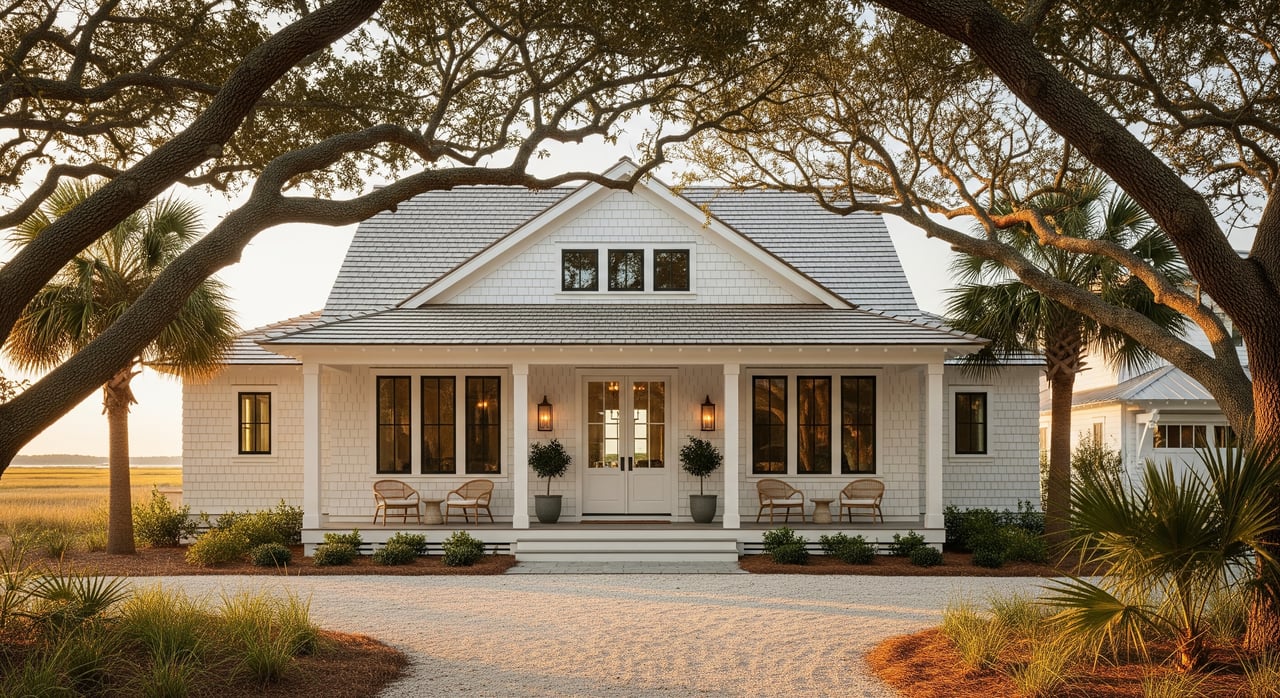
Hampstead First-Time Home Buying Guide for Coastal Buyers
December 4, 2025
December 4, 2025
Buying your first home in Hampstead comes with a lot of questions. You want room to grow, an easy drive to work or the beach, and a budget that feels comfortable for the long haul. You also want to avoid surprises with utilities, HOA rules, and coastal insurance. This guide walks you through how first-time buyers succeed in Hampstead, from picking the right neighborhood to closing day. Let’s dive in.
Hampstead sits between Wilmington and the Topsail Island area in Pender County, so you get suburban and rural options with quick access to coastal recreation. US Highway 17 runs through town and connects you directly to Wilmington and points north. Travel times vary by address and time of day, so plan to drive your routes during actual commute hours to test what life will feel like.
You will find a mix of homes here. There are newer planned subdivisions, established neighborhoods, and larger-lot rural properties. New construction is active in parts of Pender County, often with HOAs and amenities like pools, trails, and common areas.
Local services are handled by Pender County, including planning, zoning, and permits. Utilities can vary by neighborhood. Some homes have public water and sewer. Others rely on private wells and septic. Always confirm utility providers and sewer type for the specific property so you understand costs, maintenance, and any future plans for additions or accessory dwelling units.
Start with a full mortgage pre-approval, not just a quick prequalification. Local lenders can help you explore North Carolina first-time buyer programs for down payment assistance and loan options. Ask them to model payments at several price points so you can choose a target range with confidence.
Include full carrying costs in your budget. Plan for homeowner insurance, possible separate wind or hurricane coverage, and flood insurance if required. Property taxes are set by the county and vary by parcel. Your lender and closing attorney will also estimate closing costs.
Some addresses in Pender County may qualify for USDA loans. Eligibility is property specific and based on program maps and income limits. If you are hoping to use a USDA loan, have your lender check the exact address before you make an offer.
A typical financed purchase takes about 30 to 60 days from an accepted offer to closing. New construction or additional approvals can take longer. Here is a timeline tailored to Hampstead.
Most first-time buyers keep key contingencies in place. Financing, inspection, appraisal, HOA-document review, and septic inspection are commonly used. If a septic evaluation is needed, negotiate a long enough window to complete it.
Earnest money is a good-faith deposit and varies by price point and market conditions. Your agent and lender can share current local norms. Seller concessions for closing costs or credits for repairs can be negotiated. In a seller-favored market, concessions are less common. In a cooler market, you can often ask for more help.
You might hear about strategies like waiving contingencies or using appraisal gap language. These can make an offer more competitive but increase your risk. First-time buyers should weigh those tradeoffs carefully and only proceed with lender and agent guidance. For new construction, negotiate upgrades, completion timelines, and warranty terms in writing before you sign.
Read the full HOA package before you commit. Focus on:
Fees vary based on amenities. Pools, clubhouses, and gates often come with higher dues. Check whether fees are monthly, quarterly, or yearly. Also ask about transfer or new-owner application fees. Remember that Pender County rules still apply even when an HOA exists. Your plans need to align with both.
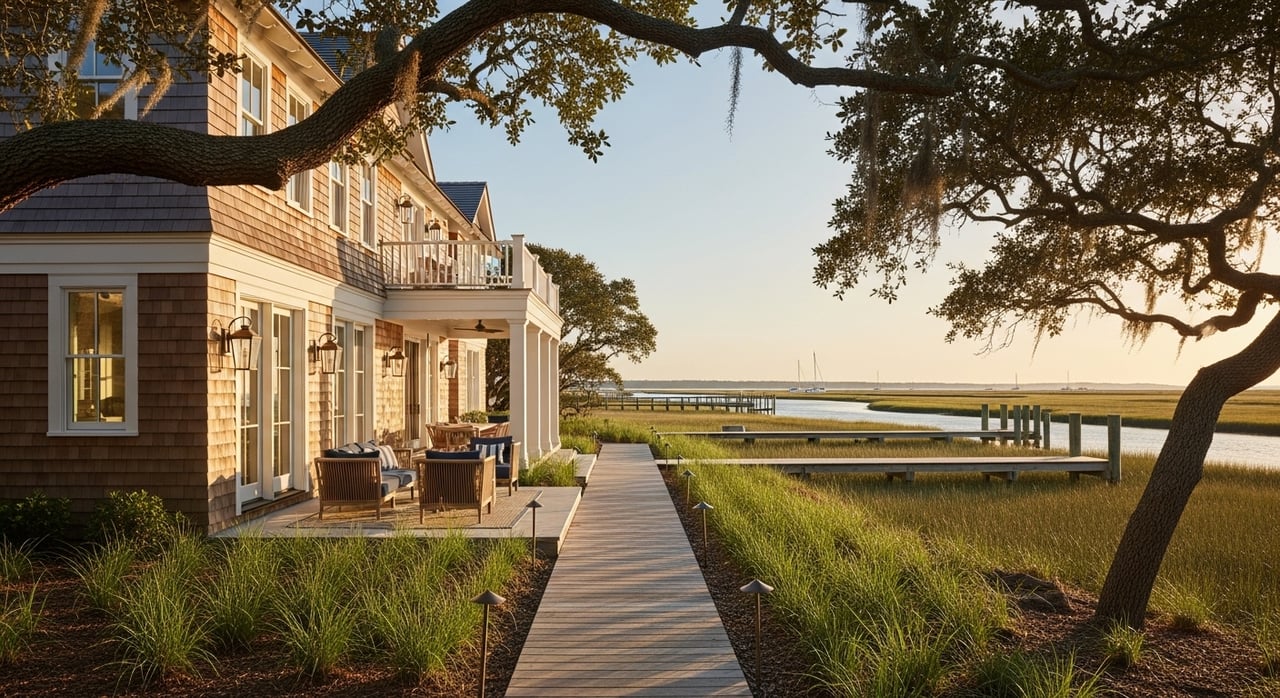
Living near the coast brings a great lifestyle and convenient access to beaches, boating, and fishing. Coastal demand can support long-term resale potential, especially with proximity to Wilmington services and recreation.
Plan for coastal risks and maintenance patterns. Some parts of Pender County lie within FEMA flood zones. If a property is in a Special Flood Hazard Area, your lender will likely require flood insurance. Insurance costs vary widely based on elevation and the home’s history.
Wind and hurricane exposure can increase insurance premiums or require separate wind policies. Deductibles for named storms can be higher. Salt air and humidity can shorten the life span of exterior finishes, metal fixtures, decks, and HVAC systems. Budget for regular maintenance. Termites and other wood-destroying organisms are more common in humid climates, which is why a WDO inspection is standard here.
If Hampstead sounds like your fit, get your financing plan in place and start touring neighborhoods at varied times of day. Focus on utility setups, flood zones, and HOA terms so there are no surprises later. When you are ready, partner with a local agent who understands coastal inspections, insurance, and how to structure offers that protect first-time buyers while staying competitive.
If you want hands-on guidance from search to close, reach out to Alina Blandon Sells NC. You will get clear next steps, strong negotiation, and local insight so you can buy with confidence in Hampstead.
Real Estate
Enhance Your Wrightsville Beach Home with Sustainable Improvements
Get assistance in determining current property value, crafting a competitive offer, writing and negotiating a contract, and much more. Contact me today.